Blackout, One Room, No Garage: Building a 72-Hour Kit That Fits Under the Bed
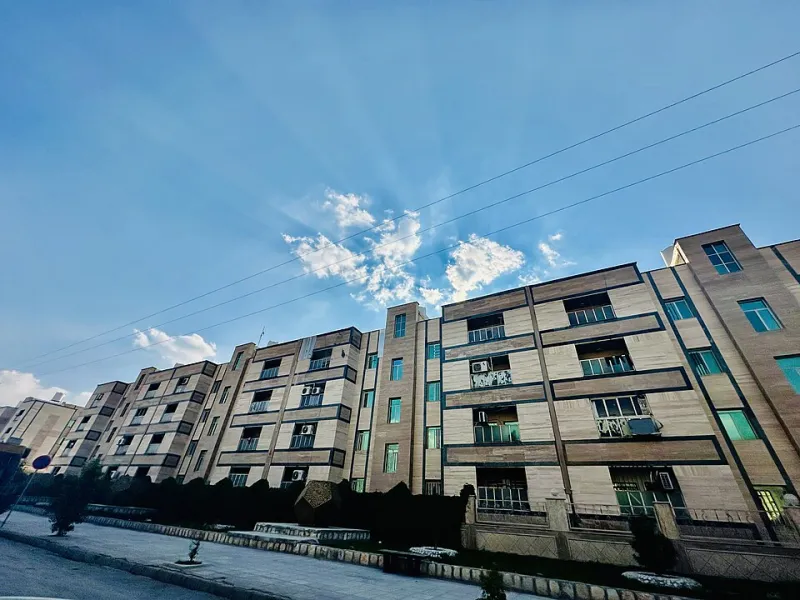
Photo: JaredMcKenzie, CC0, via Wikimedia Commons
Emergency preparedness advice is usually written for people with a garage, a basement, and a spare closet. Studio dwellers get the same advice and think, "Where exactly am I supposed to put a year of canned goods?"
The answer is: you are not. A 72-hour kit is not a lifetime supply. It is a small, manageable bridge over the first three days of a power outage, a water shutoff, or a severe-weather event. In a studio, the goal is not to be ready for everything. The goal is to be ready for the first 72 hours without turning your only room into a survivalist display.
Start with the boring envelope
Before you buy a single flashlight, get your paperwork together. Renter insurance is the first thing. If you do not have it, get a quote this week. A basic policy is usually cheaper than people expect, and it covers things your landlord's policy does not — like your laptop, your clothes, and a hotel room if the building becomes unlivable.
Make a small envelope or digital folder with your lease, renter insurance info, emergency contacts, pet records if you have a pet, and photos or a video of your belongings. Keep a paper copy somewhere you can grab in the dark. Know where your building's water shutoff is and how to report a power outage to your utility. If you live near a major corridor like I-65, also know your building's storm policy and where you would go if you had to leave quickly.
Light and heat without a garage
In a studio, you do not need a wall of gear. You need light you can find without turning on the overhead. A headlamp is better than a flashlight because it keeps your hands free. Add one battery-powered lantern for the room and a small power bank for your phone.
Skip candles. In a one-room apartment, an open flame is a bad idea, especially if you are tired or the power is out and you are moving around in the dark. Battery-powered lights are safer and easier to store.
For heat, think layers, not generators. A few extra blankets, warm socks, a hat, and hand warmers will do more than a space heater you cannot safely run during an outage. If your building loses heat in winter, know the threshold for leaving. Do not wait until the room is freezing to call a friend or a hotel.
Water is the heavy part
The standard advice is one gallon per person per day for three days. That is three gallons for one person, plus extra for a pet. In a studio, three gallons is manageable if you store it in the bottom of a closet or under the sink. Do not buy a 50-gallon drum. You do not have the space, and you probably do not need it for a 72-hour kit.
Keep a few bottles of drinking water and a separate container for washing hands or rinsing dishes. If your building has a water shutoff, know how to turn off your own unit's supply if there is a leak. A small wrench or water key near the shutoff is worth more than a fancy gadget you cannot find.
Food safety when the fridge is your pantry
In a studio, the fridge is often the whole kitchen. If the power goes out, do not open it every ten minutes to check. Keep a fridge thermometer inside so you know whether the food is still safe. A full freezer holds temperature longer than an empty one, so freeze water bottles if you have space.
Keep a small shelf-stable food box: peanut butter, crackers, granola bars, canned soup or beans, a manual can opener, and a few utensils. Do not go overboard. You are bridging three days, not opening a restaurant. If you have a pet, keep extra food and a copy of their medication info in the same bin.
The kit itself: one bin, three layers
Use one under-bed storage bin or a sturdy tote that fits in a closet. Label it. Inside, use three layers or three smaller bags:
- Top layer: light and communication. Headlamp, lantern, batteries, power bank, charging cable, a small radio or battery-powered weather radio, and a written list of emergency contacts.
- Middle layer: food and water. Water bottles, shelf-stable food, manual can opener, pet food if needed, and a small bowl.
- Bottom layer: safety and first aid. First-aid kit, medications, a multi-tool, duct tape, a dust mask, work gloves, and a small fire extinguisher if you do not already have one near the kitchen.
Keep a copy of your renter insurance and lease in a waterproof bag in the bin. Add a small notebook and pen. During an outage, your phone battery is precious, and writing things down is underrated.
Rotate like you mean it
A 72-hour kit is only useful if it is not expired. Set a reminder twice a year — daylight saving time is a good anchor — to check batteries, replace expired food and medication, and test the radio. If you use the headlamp for a camping trip, put it back. If you borrow the power bank, recharge it.
In a studio, the kit also has to stay out of your way. That is why the under-bed bin works. You are not building a museum exhibit. You are building a small, boring box that you hope you never need.
What not to store
Do not store candles, large water barrels, or anything that requires a garage. Do not store food you will not eat. Do not buy a generator for a studio apartment unless you have a safe place to run it — and that is almost never inside. Keep the kit simple enough that you can actually check it and use it.
A studio is a small space, but it is not helpless. A headlamp, three gallons of water, a few cans of soup, your insurance card, and a plan are enough to get you through the first 72 hours. That is not fear. That is just being a good roommate to yourself.