When Your Commute Starts at 2 AM: How I-65 Access Changes Shift Work
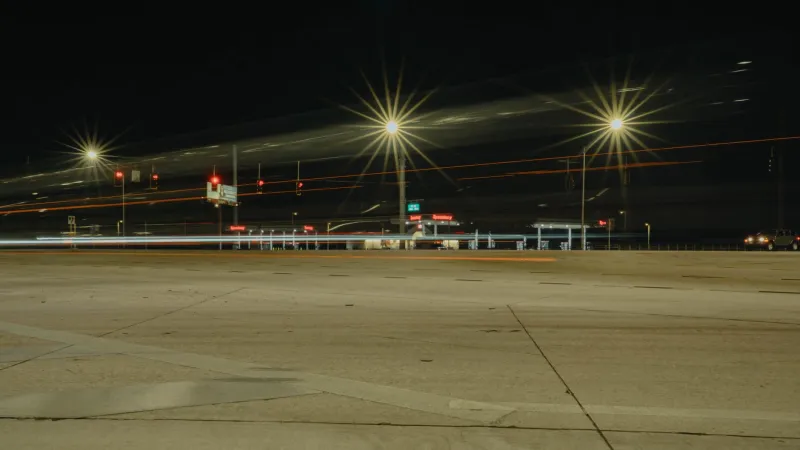
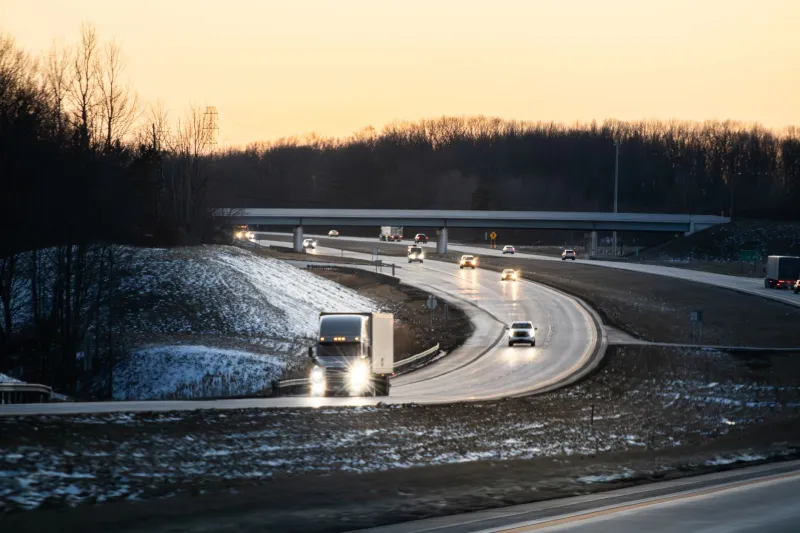
The rest of the world measures a commute at 8 AM. If you work nights, your commute happens in a different universe — empty on-ramps, streetlights, and a highway all to yourself. And that difference is exactly why easy I-65 access matters more for shift workers than almost anyone else.
The 2 AM Advantage, By the Numbers
Ask anyone who drives I-65 at 5 PM what the highway is like, and you'll hear about brake lights and twenty-minute merges. Ask a night-shift nurse who drives the same stretch at 2 AM, and you'll get a different story entirely: clear lanes, no congestion, and a drive measured in single-digit minutes instead of dozens.
The pattern holds for every overnight profession. A 15-minute rush-hour crawl from a sprawl suburb becomes a 6-minute glide when you live near the exit. For a nurse working three twelves a week, that's nearly an hour of reclaimed sleep per shift — and when your schedule is already upside down, sleep is the currency that matters most.
Three Shift Workers, Three Reasons the Exit Matters
The ICU nurse. Her shifts rotate — days one week, nights the next. Living ten minutes from the hospital via I-65 means her commute is predictable no matter which body clock she's running on. There's no 'I'll just wait out traffic' option at 6:45 AM after a fourteen-hour shift. There's only home, fast.
The warehouse lead. His shift ends at 3 AM, which means no traffic in either direction — but also no buses, no rideshares idling nearby, and no margin for a car problem on a dark two-lane road. A straight shot up the highway ramp, well-lit and patrolled, turns a stressful drive into a non-event.
The hotel front-desk pro. She closes at 11 PM and opens at 7 AM twice a week. Split shifts are brutal enough without adding a forty-five-minute drive to the math. Living near the corridor means she can go home between shifts instead of camping in a parking lot.
Why Highway Proximity Hits Different at Night
During the day, being near I-65 is a convenience. At night, it's something closer to safety and sanity:
- Well-traveled roads. Major corridors stay lit, plowed, and patrolled. Rural shortcuts don't.
- Open fuel and food. Gas stations and 24-hour drive-thrus cluster near highway exits. At 3 AM, that's dinner.
- Faster emergency response. If something goes wrong, help arrives via the same highway you use.
- Shorter exposure. Less time on the road at night is simply less risk, full stop.
The Night-Shift Renter's Checklist
Before you sign anywhere, run this list:
- Drive the actual route at your actual hour. Not Saturday afternoon. Do the 2 AM test drive, both directions.
- Check the lighting. Is the parking lot lit like daylight, or like a horror movie?
- Ask about quiet hours. Night-shifters sleep at noon. Find out if the community takes daytime noise seriously.
- Test blackout capability. Can the windows actually go dark? East-facing windows without good blinds are a dealbreaker.
- Confirm 24-hour access. Some communities lock amenities and offices in ways that complicate odd-hour arrivals.
- Time the grocery run at 4 AM. Which stores near the exit are open when you're off shift?
- Ask current residents who work nights. The leasing office won't volunteer this; the third-floor neighbor absolutely will.
Reverse Commuting Is Still Commuting
There's a myth that shift workers 'don't have a commute problem' because they miss rush hour. Anyone who's driven home exhausted at 7 AM knows better. Fatigue is its own traffic jam. Every minute you shave off the drive is a minute you're not fighting your own eyelids.
That's the quiet truth about location for shift workers: the highway exit isn't a lifestyle perk. It's the difference between a life that fits around your schedule and one that fights it.
If your badge says 7 PM to 7 AM, tour with that in mind. The view from the model unit looks the same at noon — but the drive home won't.