Headphones In, Drama Out: Why Your Listening Habits Predict Studio Success
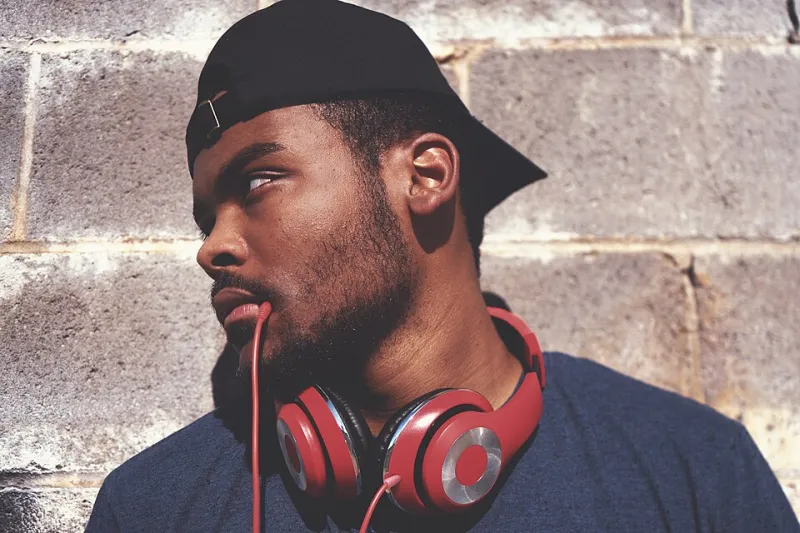
Photo: Andre Hunter dre0316, CC0, via Wikimedia Commons
Here's a lease-screening trick nobody puts on a checklist: open your Spotify or YouTube history and actually look at it. Not at what you listen to — at how you listen. Are the last hundred hours of audio split between earbuds, a gaming headset, and a podcast on your phone? Congratulations. You're probably studio-ready. Is it nine seasons of a sitcom played through TV speakers at volume 34? We love you, but we need to talk.
At i65 Studio Suites, we think about sound a lot. Our units sit minutes off the I-65 corridor, which means our residents already live with a low, steady hum of highway traffic — the acoustic equivalent of a roommate who never sleeps but never complains either. Some people barely notice it. Others notice it forever. And in our experience, the difference has very little to do with the walls and everything to do with listening habits people developed long before they toured a single floor plan.
The Headphone Personality, Explained
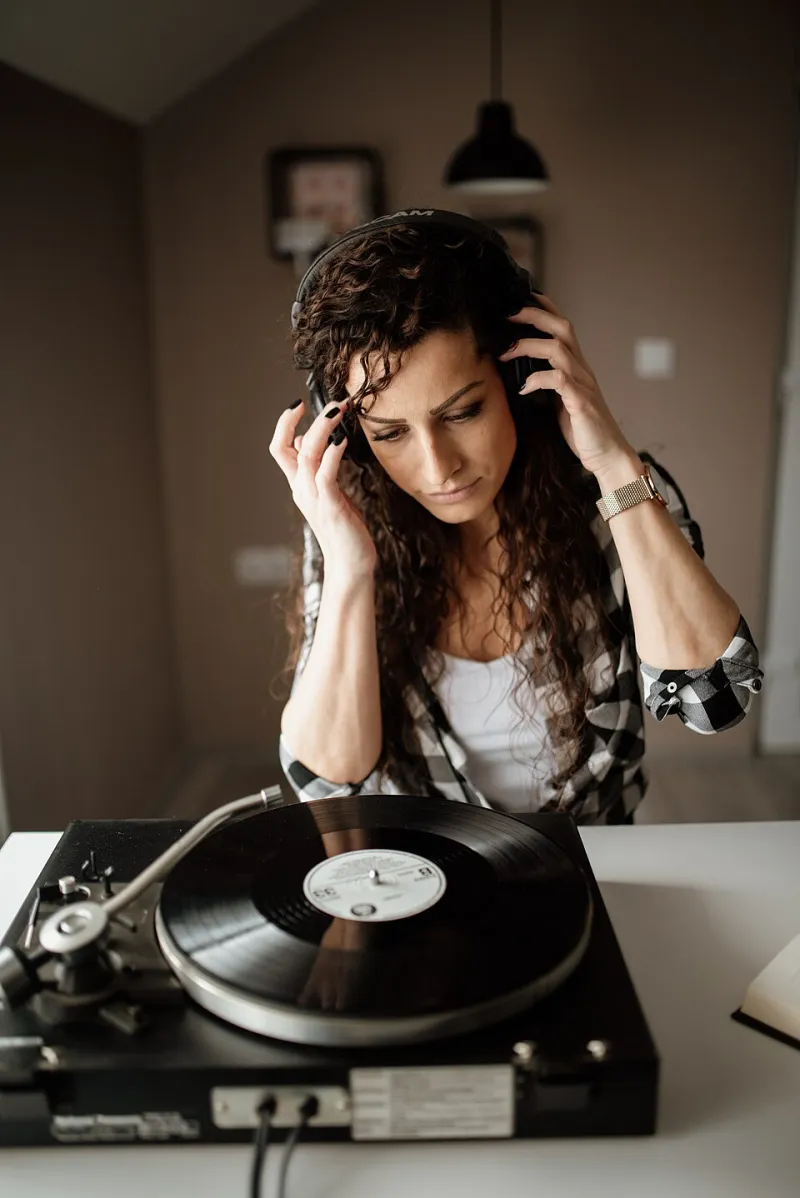
There's a particular kind of renter who has, whether they realize it or not, been training for studio life for years. They do laundry with a podcast in one ear. They cook to an audiobook. They fall asleep to a sleep playlist delivered directly through foam earbuds. This person has already internalized the core skill of single-room living: audio is a private experience, not a room-filling one.
Compare that to the surround-sound devotee. There's nothing wrong with wanting a movie to feel big — but in a studio, the movie is the room. The kitchen hears it. The bed hears it. The half-open closet hears it. When your entire home is one space, there's no door to close between you and your own entertainment, and there's certainly no door between you and a neighbor sharing that wall.
The headphone-first renter skips this crisis entirely. Their sound system already fits in a jacket pocket.
The Speaker Question: One Good One, Not Four
Let's be clear — we're not anti-speaker. A single quality Bluetooth speaker used thoughtfully is one of the great pleasures of compact living. The distinction is between ambient listening and event listening. Ambient is music while you make coffee at 7 AM, kept at a volume where you can still hear your own thoughts. Event is the pregame, the house-cleaning rave, the 11 PM true-crime documentary at full blast because the plot got good.
Studios reward ambient listeners and gently punish event listeners. If your streaming history is full of playlists designed for energy and volume, plan for the headphones during the hours that matter — roughly 10 PM to 8 AM, when the building gets quiet and every wall becomes a microphone.
White Noise: The I-65 Resident's Secret Weapon
Now for the plot twist. People who already sleep with white noise, fan sounds, or rain loops are uniquely suited to highway-adjacent living. The steady drone of I-65 traffic is, to a white-noise veteran, just another app in the rotation. It masks hallway conversations, early garbage trucks, and the neighbor's 6 AM shower. What reads as "noise" to a silence-seeker reads as "coverage" to someone who already sleeps with a fan running.
If you've never tried it, test-drive a white noise app for two weeks before your lease starts. It's the cheapest soundproofing on the market.
The Late-Night Volume Audit
One last exercise, and then we'll let you go. For one week, notice every time you reach for a volume control after 10 PM. Each reach is a data point. Headphone reach? You're fine. Speaker reach? Start building the alternative habit now, before move-in, while nobody's grading you.
Studio living isn't about becoming a quieter person. It's about becoming a more intentional one — knowing when sound is for you and when it's for the whole building. Run the soundtrack test on yourself before you sign. Your neighbors (and your own 2 AM self) will thank you.
And when you're ready, come take a tour. We'll even let you listen to the highway.